
This post was written by Vincent Seguin, Bridgit’s VP of Engineering
Launching Bridgit AI was a huge milestone for our company, and the customer feedback we’ve heard so far has been positive. It has been extremely rewarding to further equip those who rely on our software everyday with additional tools for building project teams and winning work.
In a previous post about becoming an AI-first company, we pulled back the curtain on the process and technology that turned Bridgit AI into reality. For this post, I wanted to share another piece of the puzzle that has made a significant impact in the development of Bridgit AI: product hackathons.
Sparking creativity
Engineering presents an interesting paradox: how do you cultivate a culture of consistent, predictable delivery, all while leaving room for creativity and discovery? At Bridgit, one of the ways we strike this balance is through product hackathons.
Hackathons aren’t a new concept, but they remain one of the most impactful ways to rally a team, break down silos, and spark new ideas. This is the approach that we’ve learned works especially well:
- Frequent: We try to hold a hackathon three times each year. Participation isn’t mandatory, but highly encouraged.
- Inclusive: Two weeks before the event, we gather ideas from across the entire organization—not just engineeringThis ensures that everyone feels a sense of ownership, and that the problems we choose to tackle are grounded in real business needs. We want to start by identifying clear problems to solve, rather than jumping straight to solutions.
- Collaborative: Two weeks before, participants form teams and select an idea to pursue.
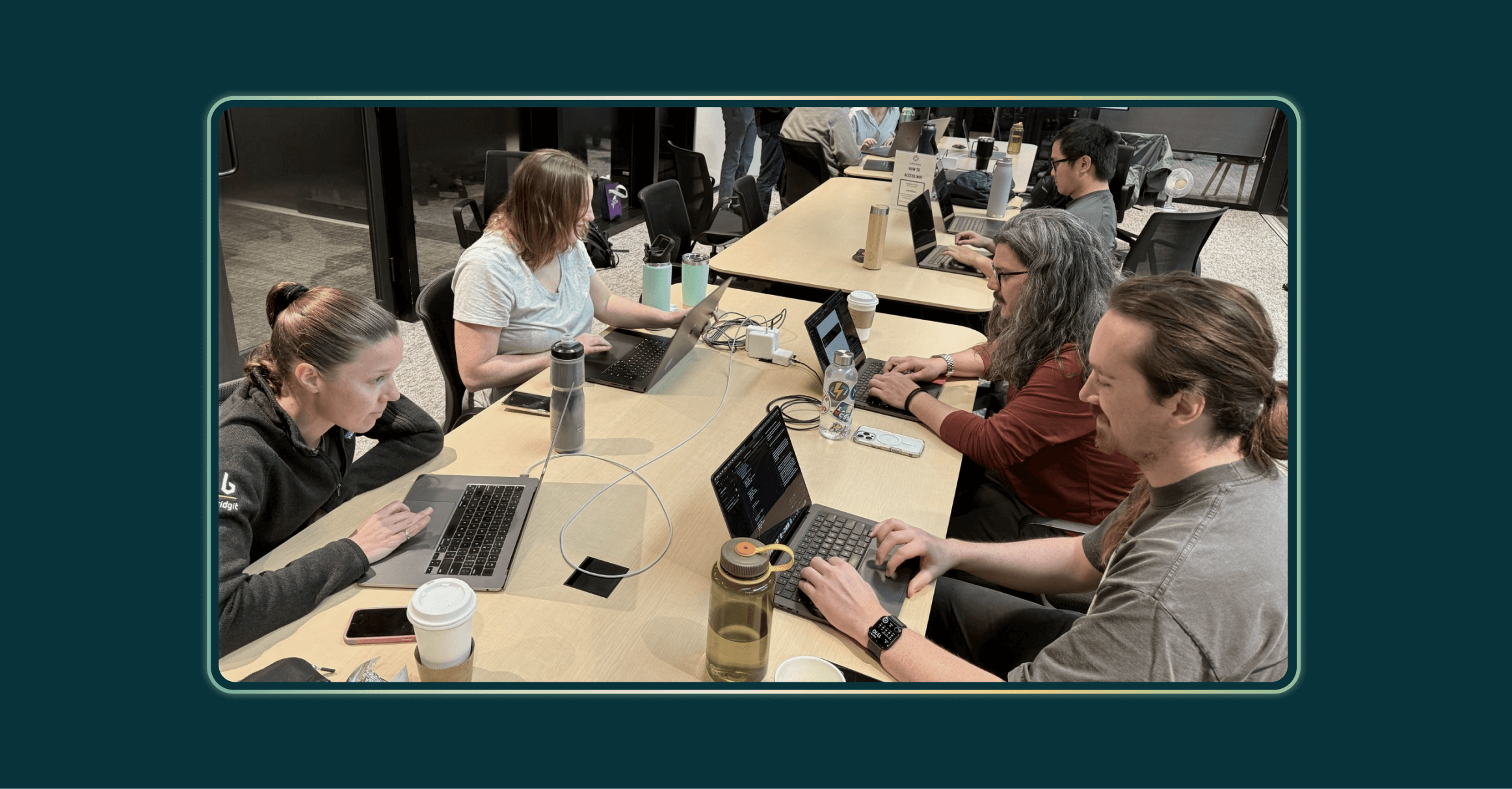
- Engaging: Over two focused, in-person days, teams work toward a single goal: building a workable demo that clearly demonstrates how their solution addresses the chosen problem. The event culminates in demos presented to the whole organization, reinforcing the focus on real-world impact.
- Democratic: The winner is chosen through public voting following the demos. This adds a fun strategic element, since teams need to pick ideas that not only work well but also resonate with their teammates.
- Fun: We offer great prizes for the winning team and a lighthearted physical challenge on the first night (with bonus points on the line!).
- Actionable: Following the event, a small committee of engineering and product leaders review each project and determine next steps, including whether any of the ideas will be developed further as part of our product roadmap.
Our first AI hackathon
Our most recent hackathon—held in September—was centered all around AI. We called it Reconstruct. Here’s an excerpt from the theme that set the tone for the event:
We’re entering an era where AI isn’t just changing what we build – it’s changing how we think about building it.
Join us for Reconstruct, a hackathon where we throw out the old playbook and imagine what software looks like when it thinks with us. Over 48 hours, we’ll explore how AI can transform workforce planning – from automating the tedious to unlocking new insights.
This isn’t about polishing features or cleaning up code. It’s about reimagining them through a new lens. The goal of this hackathon is to think with an AI-first mindset – whether through the tools you use, the features you build, or the prototypes you bring to life.
To support that exploration, we opened the floodgates in terms of AI resources, leveraging tools like Cursor, Claude Code, and plenty of AWS Bedrock. (Let’s just say our token usage graph made it pretty easy to spot the hackathon dates!)
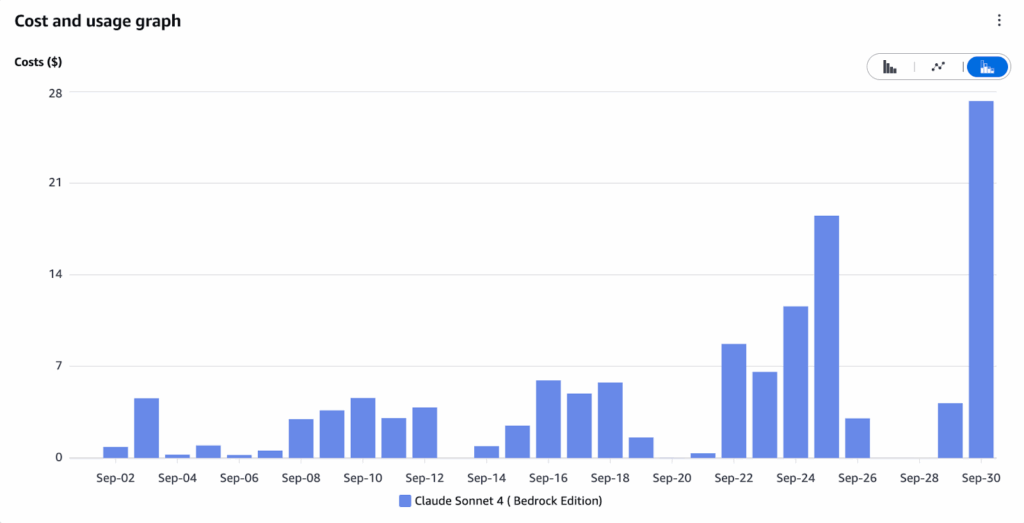
And our teams delivered. The creativity and technical depth of the demos were truly inspiring. Here are just a few examples of what came to life:
- Bridgit MCP – Connected Claude Desktop directly to our public APIs, enabling workforce planning right from an AI assistant.
- AI org charts – Using common knowledge of construction company structures, generated org charts in PDF form from existing roles in Bridgit.
- AI activity summaries – Automated daily summaries of recent account activity.
- AI PDF resume parsing – Simplified importing existing resume into Bridgit, strengthening our experience data foundation.
- AI project templates – Used historical experience data to automatically scaffold new project templates.
- Mobile voice-based broadcasts – Leveraged a local LLM to interpret voice commands into organization-wide notifications.
- Agentic project updates (our winner 🏆) – Allowed users to describe project updates in natural language and let AI handle the rest.
Will all of these projects make it into production? Probably not. But that wasn’t the point—creativity was. The goal was to experiment, imagine, and reframe how we build with AI. And in that sense, Reconstruct was a complete success. Stay tuned for what’s next; we can’t wait to share which of these ideas do make their way into our product roadmap!