-
How Team Size and Project Duration Change by Build Type and What That Means for Staffing
Skilled trades wages on data center construction sites now run roughly 32% above non-data-center construction work, with specialty roles routinely clearing $250,000. The same crafts on a healthcare project earn meaningfully less. The same crafts on an education project earn even less than that. The labor market has decided the build types aren’t interchangeable for…
-
Behind Bridgit AI: Cultivating a culture of AI curiosity
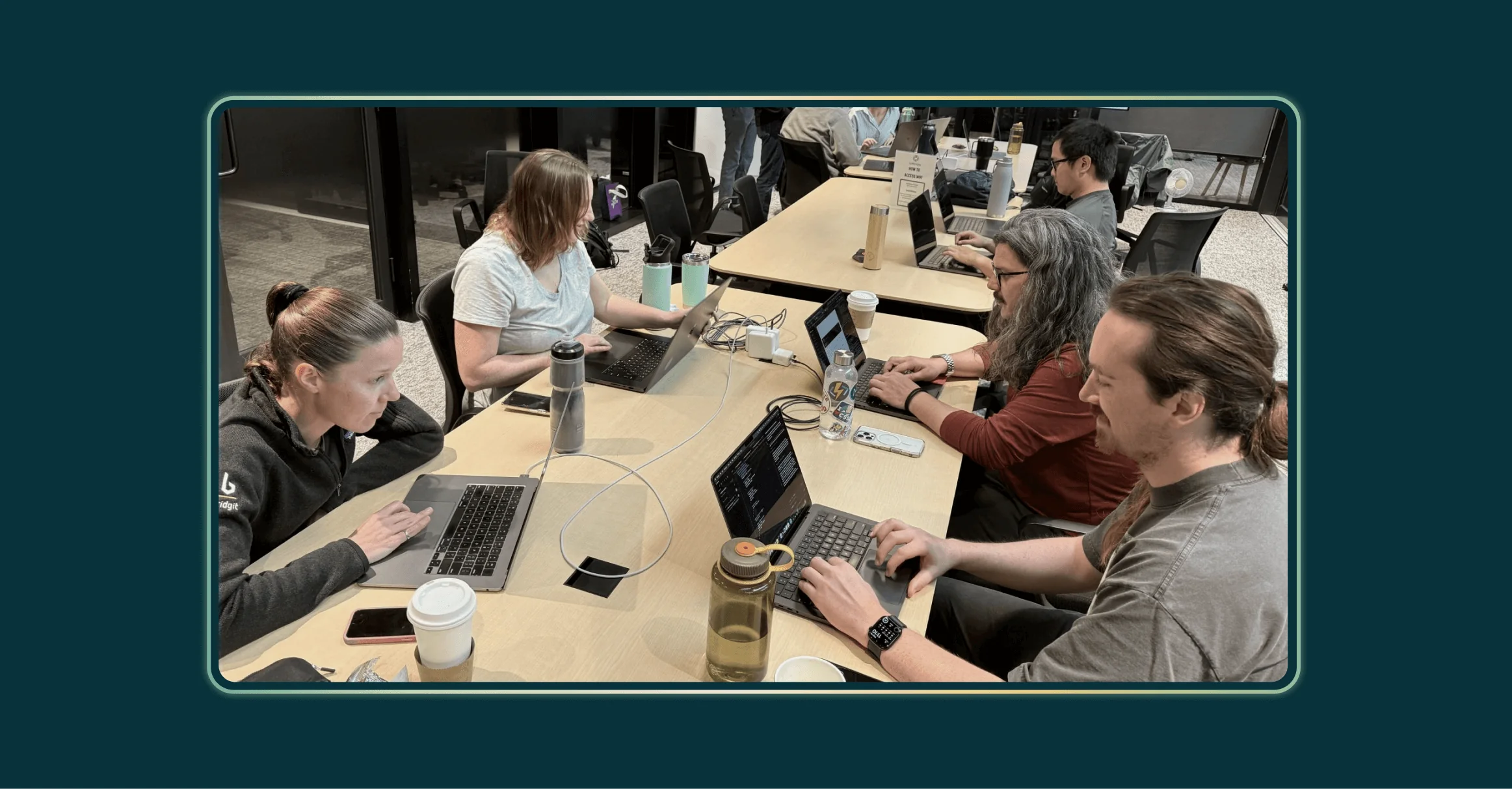
This post was written by Vincent Seguin, Bridgit’s Chief Technology Officer Launching Bridgit AI was a huge milestone for our company, and the customer feedback we’ve heard so far has been positive. It has been extremely rewarding to further equip those who rely on our software everyday with additional tools for building project teams and winning…
-
Why connecting your CRM with workforce planning is a must
You just won three major projects, but operations won’t find out until next week’s meeting. By then, HR will have to scramble to fill positions that should have been posted a month ago. Meanwhile, everyone’s entering the same project data into different systems, creating a maze of spreadsheets that nobody trusts and everybody dislikes. Sound…
-
The art and science of construction labor forecasting
You’re at an industry conference, catching up with someone you haven’t seen in years. They’ve just landed three major projects. Good news, right? Except they look exhausted. “We bid these jobs assuming we had the people,” they tell you. “Now we’re scrambling. I have no idea if we can actually deliver.” You win work, but…
-
How to run a skills gap analysis for your construction workforce
“We started where most companies start, with an Excel spreadsheet,” says Shawn Gallant, COO at Columbia Construction. “We found that as we grew, it just wasn’t a successful model because we didn’t have adaptability, changes were hard, and there was no forecasting ability.” Gallant’s comment captures a broader problem. Most contractors know how many people…
-
How to improve construction team communication for workforce planning
“Having a meeting where we can come together and look at one screen and the same real-time information is paramount,” says Lisa Villasmil, VP of People & Culture at Cauldwell Wingate. “Now when we’re collaborating on staffing we can just say ‘Check Bridgit. What does it say in Bridgit?’ That has really made us more…
-
How workforce planning keeps your best people from leaving

Picture your best superintendent. The one who knows the quirks of major clients, who can walk onto any jobsite and get things moving, and truly cares about training new team members. Now imagine them handing in their two-week notice. Construction companies lose billions annually to turnover, and most leadership teams assume it’s about money. Role-level…
-
Building balanced construction project teams with data-driven workforce planning

Walk onto any successful construction site and you’ll notice something striking about team composition: The best crews aren’t just the ones with the most experience. They deliberately mix veteran professionals with emerging talent, creating a balance that ensures both immediate project success and long-term organizational health. But this balance isn’t just an accident. Just like…
-
Behind Bridgit AI: How construction’s first workforce planning assistant was built
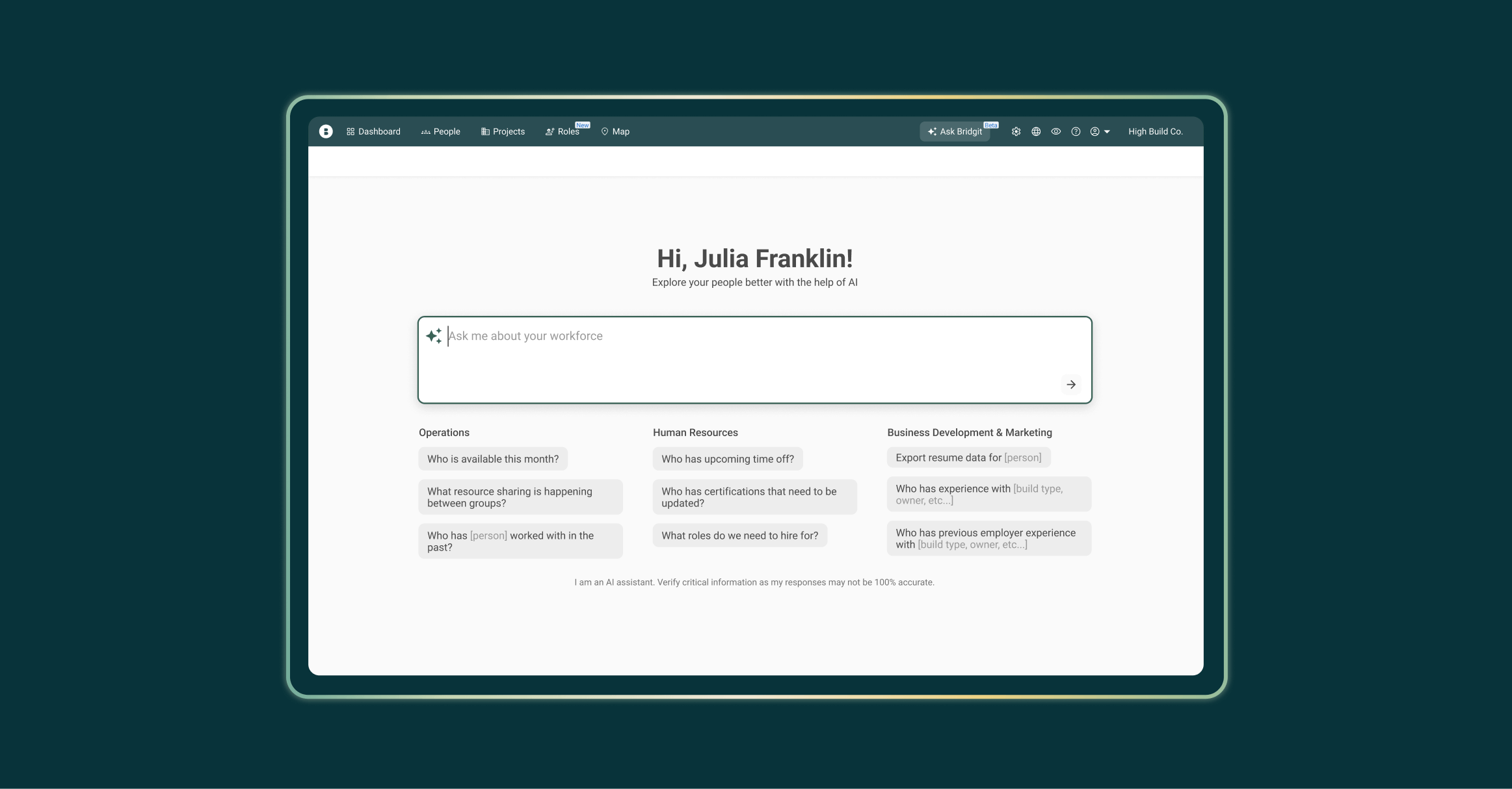
This post was written by Vincent Seguin, Bridgit’s VP of Engineering At Bridgit, we’ve been working incredibly hard over the past several months to achieve our first AI launch, and we couldn’t be more excited to share it with the world. It’s an important milestone for our company, but more importantly, for everyone who relies…
-
How Commute Distance Affects Superintendent and PM Retention
In Bridgit’s 2026 Construction Workforce Benchmark Report, drawn from 233 contractors and roughly 114,000 people, senior superintendents leave their employers at a rate of 4.1% per year while non-senior superintendents leave at 15.4%. The same gap shows up for project managers: 3.6% senior, 14.3% non-senior. The people most fluent in a contractor’s projects are roughly…